Pollution-Related Breathing Problems: Causes, Symptoms, Precautions and How Homeopathy Helps
Air pollution and smog can trigger coughing, breathing difficulties and chest tightness, especially in winter. Learn practical precautions to protect your respiratory health and explore PHC’s complementary homeopathic approach.
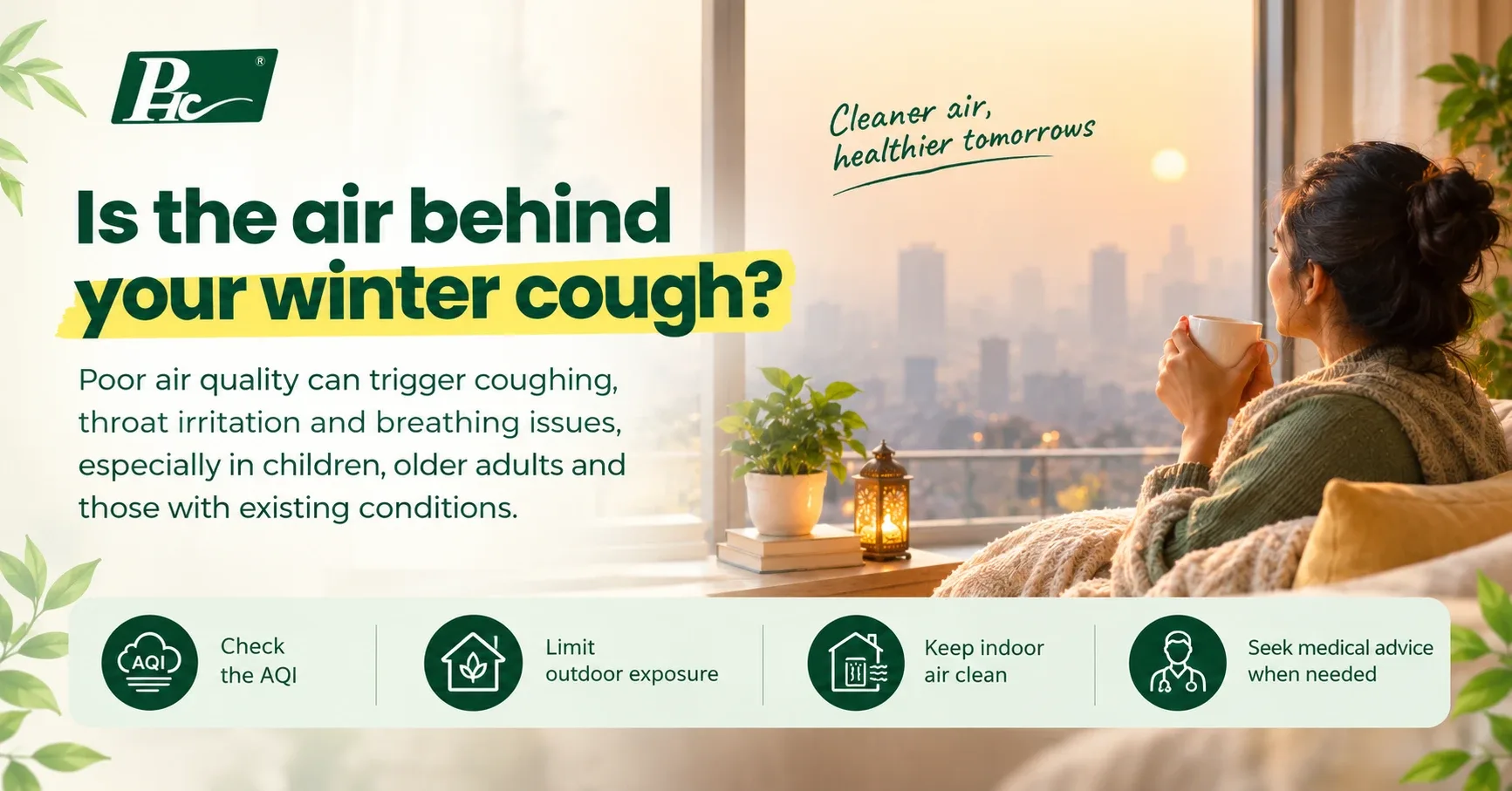
From November to February, many families in Gurugram and Delhi NCR live with a familiar seasonal routine: a morning cough, a blocked nose on the commute, a tight chest after an evening walk, or a child who seems to catch every cold going.
These are some of the common pollution-related breathing problems, and they reflect what is in the air. According to the Commission for Air Quality Management (CAQM), Delhi-NCR's average PM2.5 reaches 178 µg/m³ in winter, compared with 73 µg/m³ in summer.
This guide explains what causes these breathing problems, which symptoms to watch for, the precautions that can help reduce exposure, and how classical homeopathy at Panacea Homeopathic Clinic (PHC) approaches individualised, season-long care.
What causes pollution-related breathing problems?
Pollution-related breathing problems occur when fine particles and gases irritate and inflame the airways. PM2.5 is particularly concerning because these tiny particles can travel deep into the lungs.
Where does Delhi NCR's pollution come from?
CAQM's January 2026 source assessment attributes winter PM2.5 to the following sources:
- Secondary particles formed in the air: 27%
- Transport and vehicle emissions: 23%
- Biomass burning, including crop residue and waste: 20%
- Construction and road dust: 15%
- Industry, including power plants: 9%
- Other sources: 6%
In summer, dust becomes the largest single source, accounting for 27% of PM2.5.
Why is air pollution worse in winter?
Cooler, calmer winter air can trap pollution close to the ground rather than allowing it to disperse. Seasonal crop-residue burning and festival fireworks can add to the pollution load. This is why many residents begin noticing respiratory symptoms from late October onwards.
Can indoor air pollution affect breathing?
Yes. Indoor air quality matters too. Sources include cooking with solid fuels, smoking, incense, mosquito coils and aerosol room fresheners. Improving indoor ventilation and reducing these sources can help lower exposure.
What happens inside the airways?
Inhaled particulate matter can cause oxidative stress and inflammation in the airways. This irritation helps explain symptoms such as coughing, throat discomfort and chest tightness on days with poor air quality.
Air pollution is also a major public health concern. The India State-Level Disease Burden Initiative estimated that air pollution was linked to approximately 1.67 million deaths in India in 2019, representing 17.8% of all deaths.
What are the symptoms of pollution-related breathing problems?
Common symptoms include irritation of the eyes, nose and throat, coughing and breathing discomfort. Symptoms can become more noticeable after spending time outdoors when pollution levels are high.
Watch for:
- Burning, watering or red eyes
- Runny or blocked nose and sneezing
- Sore or scratchy throat
- Dry or persistent cough
- Breathing difficulty or wheezing
- Chest discomfort or pain
- Headache or giddiness
Pollution can also worsen asthma, bronchitis and chronic obstructive pulmonary disease (COPD), and aggravate lower respiratory infections. Long-term exposure is associated with chronic respiratory and heart conditions.
How does the AQI relate to your breathing?
India's Air Quality Index (AQI) indicates the level of air pollution and its potential health effects.
- Good (0–50): Minimal impact.
- Satisfactory (51–100): Minor breathing discomfort may occur in sensitive people.
- Moderate (101–200): People with lung disease, asthma or heart disease may experience breathing discomfort.
- Poor (201–300): Prolonged exposure may cause breathing discomfort in most people.
- Very Poor (301–400): Prolonged exposure may contribute to respiratory illness.
- Severe (401–500): Even healthy people may be affected, while people with existing illnesses can experience serious effects.
Who needs extra care?
Children under five, older adults, pregnant women and people with existing lung, heart or stroke-related conditions may be more vulnerable. Outdoor workers, including traffic police, drivers, construction workers and road sweepers, may also experience greater exposure.
When should you seek urgent medical help?
Seek emergency care immediately, call 112 or go to the nearest hospital if you experience:
- Severe breathlessness or difficulty speaking in full sentences
- Chest pain or pressure
- Bluish or grey lips or fingertips
- Wheezing that does not settle with a prescribed reliever inhaler
- Confusion, fainting or unusual drowsiness
Seek prompt medical advice for breathlessness, giddiness, persistent cough or chest discomfort. If you have an existing lung or heart condition, contact your doctor immediately if your symptoms worsen.
How can you protect yourself from pollution-related breathing problems?
The most important precaution is to reduce the amount of polluted air you breathe throughout the season. The following practical steps are based on the air-pollution health guidance described in this article.
1. Plan your day around the AQI
Check the daily AQI using the CPCB Sameer app before planning outdoor activities. On Poor to Severe days, stay indoors where possible and reschedule outdoor exercise. Avoid early-morning and late-evening walks when pollution levels are high.
2. Protect yourself outdoors
Wear a properly fitted N95 or N99 mask when exposure to polluted air cannot be avoided. Paper masks, handkerchiefs, scarves and ordinary cloth masks do not provide equivalent protection against fine particles.
When commuting by car, use the air conditioner's recirculation mode where appropriate.
3. Keep indoor air cleaner
- Cook with LPG or electricity and keep the kitchen well ventilated.
- Wet-mop floors instead of dry sweeping.
- Use a HEPA-filter vacuum if you vacuum.
- Avoid smoking, incense, mosquito coils and aerosol room fresheners indoors.
- If ventilating, consider opening windows between 12 pm and 4 pm, as suggested in the NCDC advisory.
- If using an air purifier, choose one that does not generate ozone.
4. Support your everyday well-being
Drink enough water, gargle with warm water after being outdoors, and rinse irritated eyes with clean running water. Include fresh fruit and vegetables in your diet.
If you have prescribed medicines or an inhaler, keep them accessible and follow your doctor's instructions. Never stop or change prescribed treatment without consulting the doctor who prescribed it.
How does homeopathy approach pollution-related breathing problems?
At Panacea Homeopathic Clinic (PHC), classical homeopathy is used as an individualised approach for people seeking care for recurring or lingering respiratory complaints during the pollution season. The clinic's care model also includes guidance on precautions, diet, rest and exercise.
What is classical homeopathy?
Homeopathy is a system of medicine developed by Dr Samuel Hahnemann in the late eighteenth century. It is based on the principle similia similibus curentur, meaning “let like be treated by like”. Its medicines are prepared through serial dilution and succussion, or vigorous shaking.
Classical homeopathy, as practised at PHC since 1997, involves selecting an individualised remedy based on a detailed assessment of the person rather than treating only a symptom label.
Why does the individual's history matter?
People living in the same city can experience different symptoms. One commuter may develop a dry cough that worsens in the evening. Another person may experience a blocked nose every morning. A child may have recurring seasonal complaints, while an older adult may notice a longstanding cough becoming more troublesome.
PHC's individualised approach considers these differences when taking a patient's history and planning care. Individual responses vary, and outcomes are not guaranteed.
How does PHC build a care plan for the pollution season?
1. Detailed case-taking
The homeopath records when symptoms begin, what makes them better or worse, how they affect sleep, appetite, energy and mood, and the person's medical history, previous seasonal episodes, family history and current medicines. New patients can begin with PHC's online New Case Questionnaire.
2. Individualised constitutional prescription
The homeopath uses the overall case history to select an individualised constitutional remedy according to the clinic's classical homeopathic approach.
3. Season-long support
Because pollution is not limited to one week, PHC offers follow-up care through the winter, with guidance for high-AQI days and access to the clinic team.
4. Follow-up and review
Scheduled consultations allow the team to review progress and adjust the homeopathic care plan where appropriate. Consultations are available at the Gurugram clinic and online.
PHC also describes its four pillars of health as diet, rest, exercise and medicine, with practical lifestyle guidance suited to the individual's circumstances.
When should you begin seasonal care?
- Before the season: Consider a consultation before symptoms build.
- During the season: Continue pollution precautions and follow your individual care plan.
- After the season: Review recurring symptoms and plan for the year ahead.
- Throughout the year: If complaints return every winter, discuss an ongoing care plan with a qualified healthcare professional.
What outcomes does PHC work towards?
PHC aims to help patients understand their personal triggers and early warning symptoms, and supports them in working towards more comfortable recovery, better sleep and energy, and fewer or milder recurring seasonal episodes over time.
Every person responds differently. These are goals of care, not guaranteed outcomes.
Can homeopathy replace pollution precautions or prescribed medicines?
No. Homeopathic care must not replace clean-air precautions, emergency treatment or prescribed medicines. No homeopathic medicine makes polluted air safe to breathe.
If you use an inhaler or take prescribed medicines for asthma, COPD or allergies, continue them as your doctor advised. Tell your PHC homeopath about all medicines you use, and make changes to prescribed treatment only with the doctor who prescribed it.
Conclusion
Pollution-related breathing problems are common across Delhi NCR, but they should not simply be ignored. Understanding the causes, recognizing symptoms, checking the AQI, wearing a properly fitted mask and keeping indoor air cleaner can help reduce exposure.
For people whose cough, congestion or wheezing returns every winter, Panacea Homeopathic Clinic offers individualized homeopathic care with follow-ups and guidance on diet, rest and exercise. This care should complement—not replace—pollution precautions and appropriate medical treatment.
Book your winter-season consultation with PHC
Panacea Homeopathic Clinic has practiced classical homeopathy in Gurugram since 1997 and has offered online homeopathic care since 2001.
- Clinic: Panacea Homeopathic Clinic, Sector 22A, near Tau Devi Lal Park, Gurugram
- Consultation hours: 9 am–9 pm, by appointment
- Phone: 0124 403 7136
- WhatsApp: +91 99904 49900
- Online consultation: https://app.mikahq.com/m/cmuv006de00017d6p6wyl2onp
Related reading: Diwali Air Pollution and Breathing Problems: Symptoms and Prevention
This article is for health awareness and does not replace a personal medical assessment. In an emergency, call 112.
Questions people ask
What causes pollution-related breathing problems?
Fine particles such as PM2.5 and gases from vehicles, biomass and waste burning, construction, road dust and industry can irritate and inflame the airways. Indoor sources such as solid-fuel cooking, smoking, incense and mosquito coils can add to exposure.
What are the symptoms of pollution affecting the lungs?
Common symptoms include eye, nose and throat irritation, coughing, wheezing, breathing difficulty, chest discomfort, headache and giddiness. Pollution can also worsen asthma, bronchitis and COPD.
Why is air pollution worse in winter in Delhi NCR?
Cool, calm winter air can trap pollution close to the ground, while seasonal biomass burning can add to the pollution load. The CAQM figures cited in this article report average winter PM2.5 of 178 µg/m³, compared with 73 µg/m³ in summer.
Which mask protects against air pollution?
A properly fitted N95 or N99 mask can help reduce exposure to fine particles. Ordinary cloth masks, paper masks, scarves and handkerchiefs do not offer equivalent protection.
How does PHC use homeopathy for pollution-related breathing problems?
PHC practises classical homeopathy, beginning with detailed case-taking and an individualised constitutional prescription, followed by review and lifestyle guidance through the pollution season. Consultations are available at the Gurugram clinic and online. Individual outcomes vary, and homeopathy should not replace appropriate medical treatment or pollution precautions.
Can I consult PHC if I already use an inhaler?
You can discuss complementary homeopathic care with PHC while continuing the inhaler and medicines prescribed by your doctor. Share your full medicine list during the consultation. Change prescribed medicines only with the doctor who prescribed them.
When should I see a doctor for a pollution cough?
Seek prompt medical advice for breathlessness, giddiness, a persistent cough or chest discomfort. Severe breathlessness, chest pain, bluish lips or wheezing that does not settle with a prescribed reliever inhaler requires emergency care. In India, call 112.